How to Pitch Your Interior Project to International Media
(and stay out of the spam folder): A friendly guide for interior designers and architects
First things first: who’s who in an editorial team
-
This is the magazine’s chief mastermind — the person who defines its style and direction, and decides which stories make the cover. Editors-in-chief are approached rarely, and only with truly significant news.
And I completely understand — every designer believes their project is the most interesting one (and, honestly, it often is). But right now the editor-in-chief is most likely busy refereeing a battle between two major advertisers over the page facing an interview with a “starchitect.” So don’t write to them — it will most likely be time wasted. -
This is the person who makes sure deadlines don’t turn into disasters. If your email happens to land with them, no harm done — they’ll most likely forward it to the right person.
-
Practically the editor-in-chief’s right hand. Often oversees specific topics or issues. If you’re lucky enough to find their contact details, it’s a perfectly good place to start.
-
This is your golden target. This is the person who decides which interiors appear in the Interiors, Projects, Products sections. They love compelling stories, beautiful photos, and short emails without drama or three pages of philosophy.
-
The person who runs the website and makes sure everything fresh and relevant goes online as quickly as possible. If you have a “hot” project or a newly launched product, this is exactly who to write to. Online editorial teams respond quickly, while print publications may run a story only months later — sometimes even half a year.
-
The person who can either fall in love with your photos or close your email after the first shot with a blown-out window. So pay attention to image quality (300 dpi is a must for print media) and credit your photographers correctly.
How do you find “your” journalist?
-
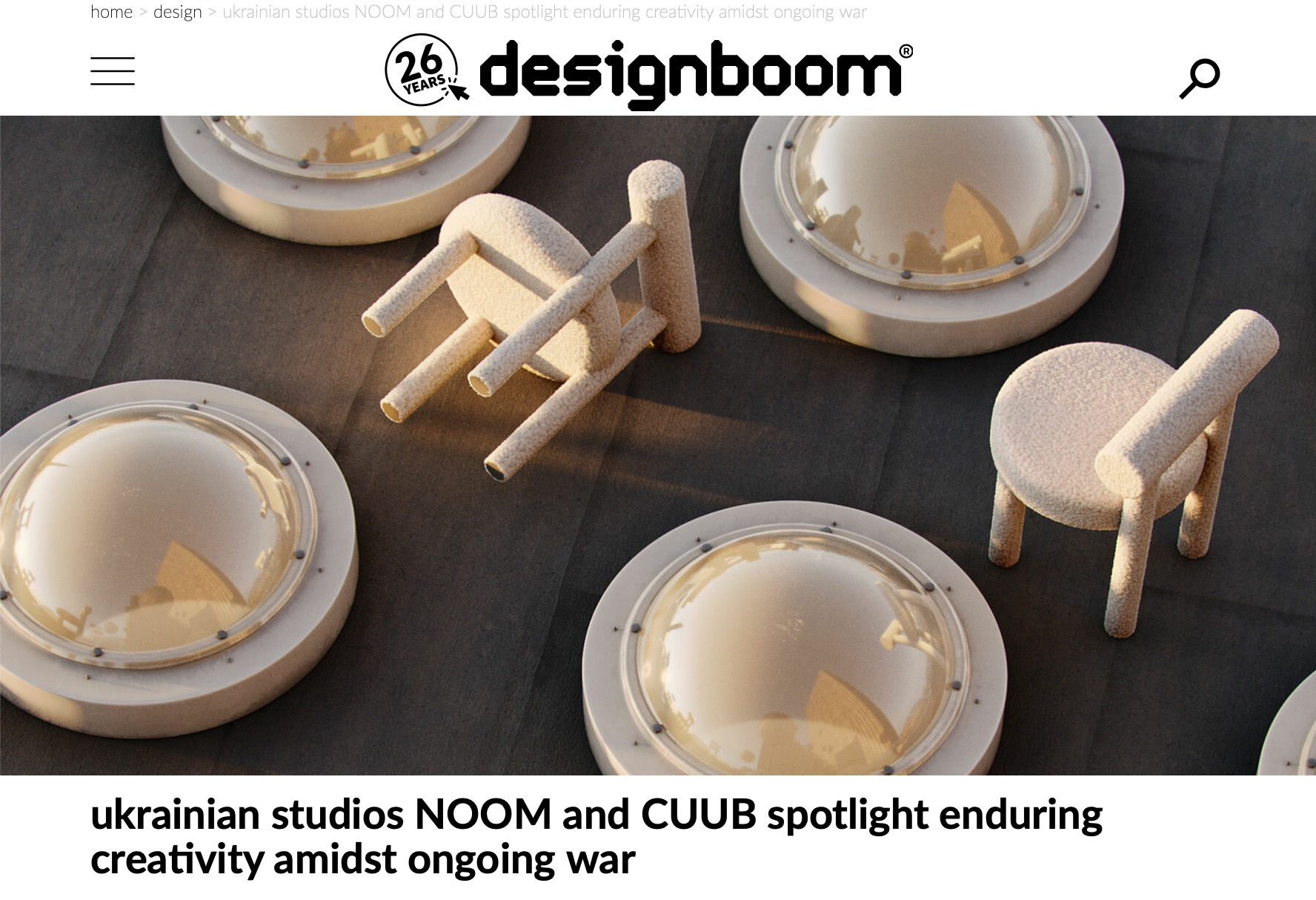
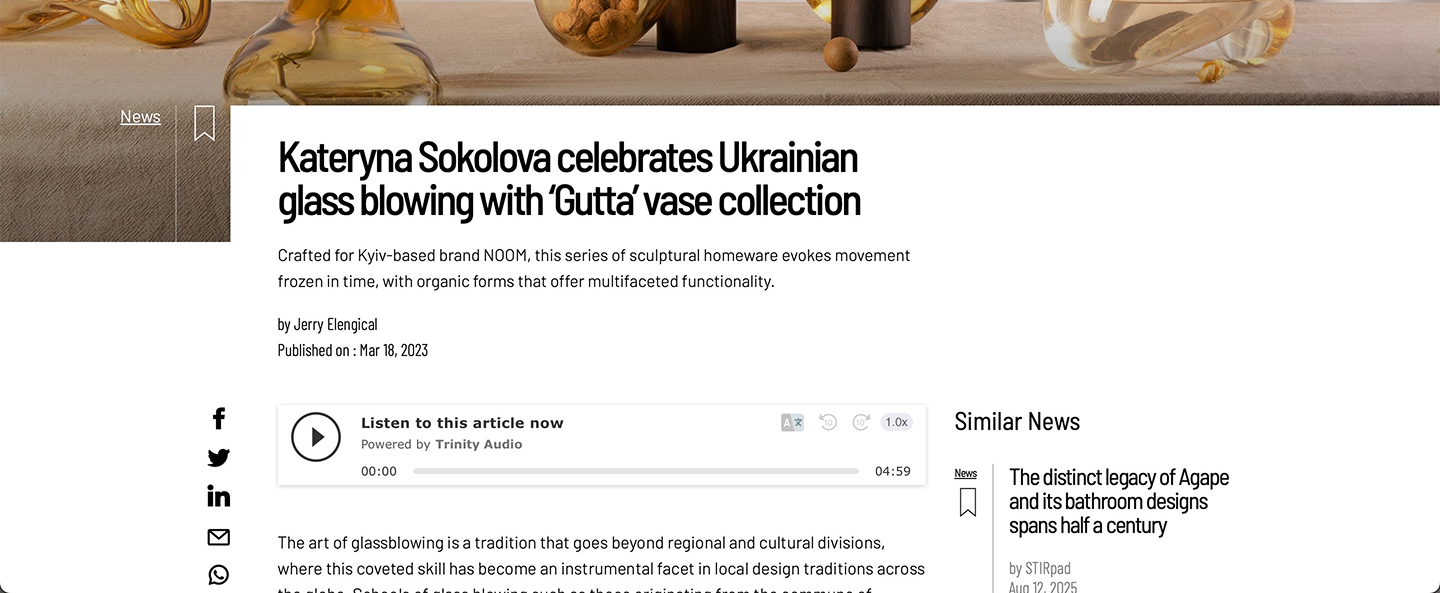
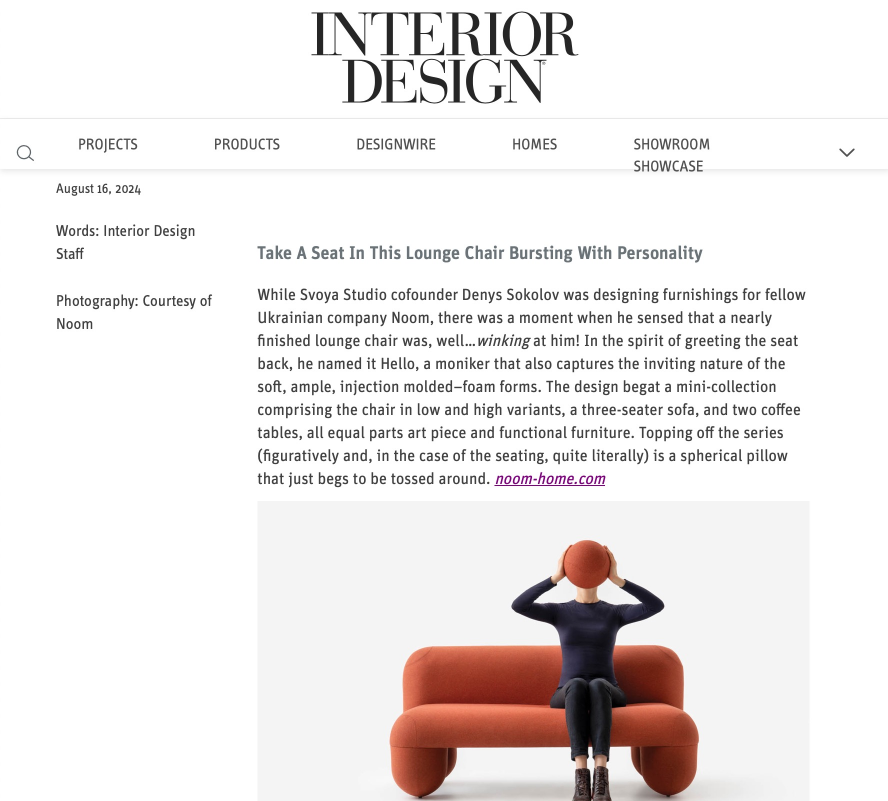
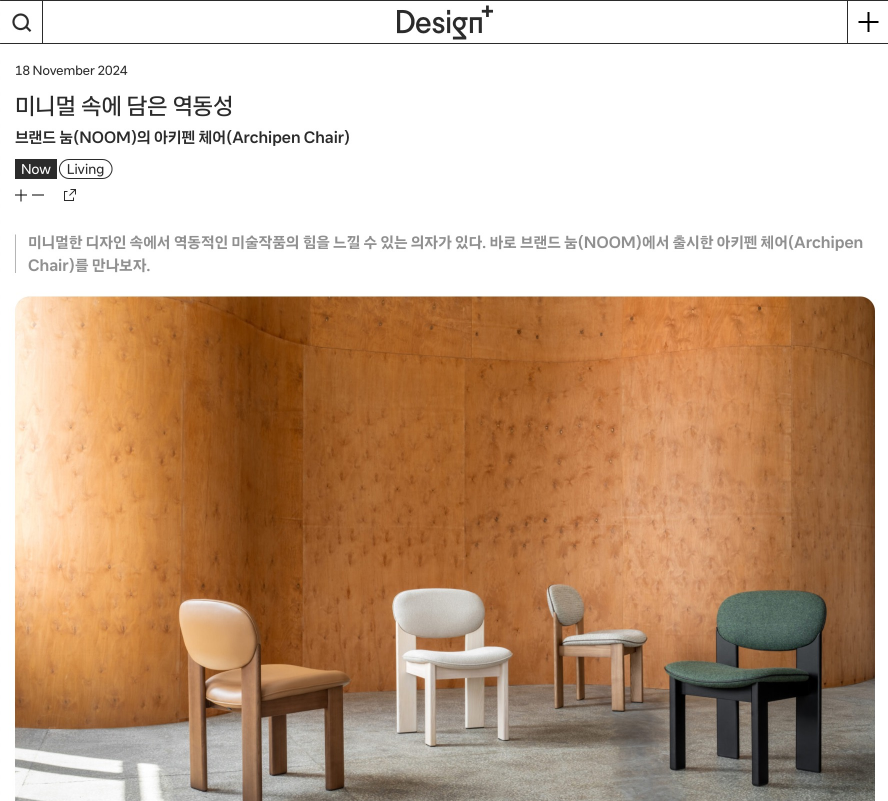
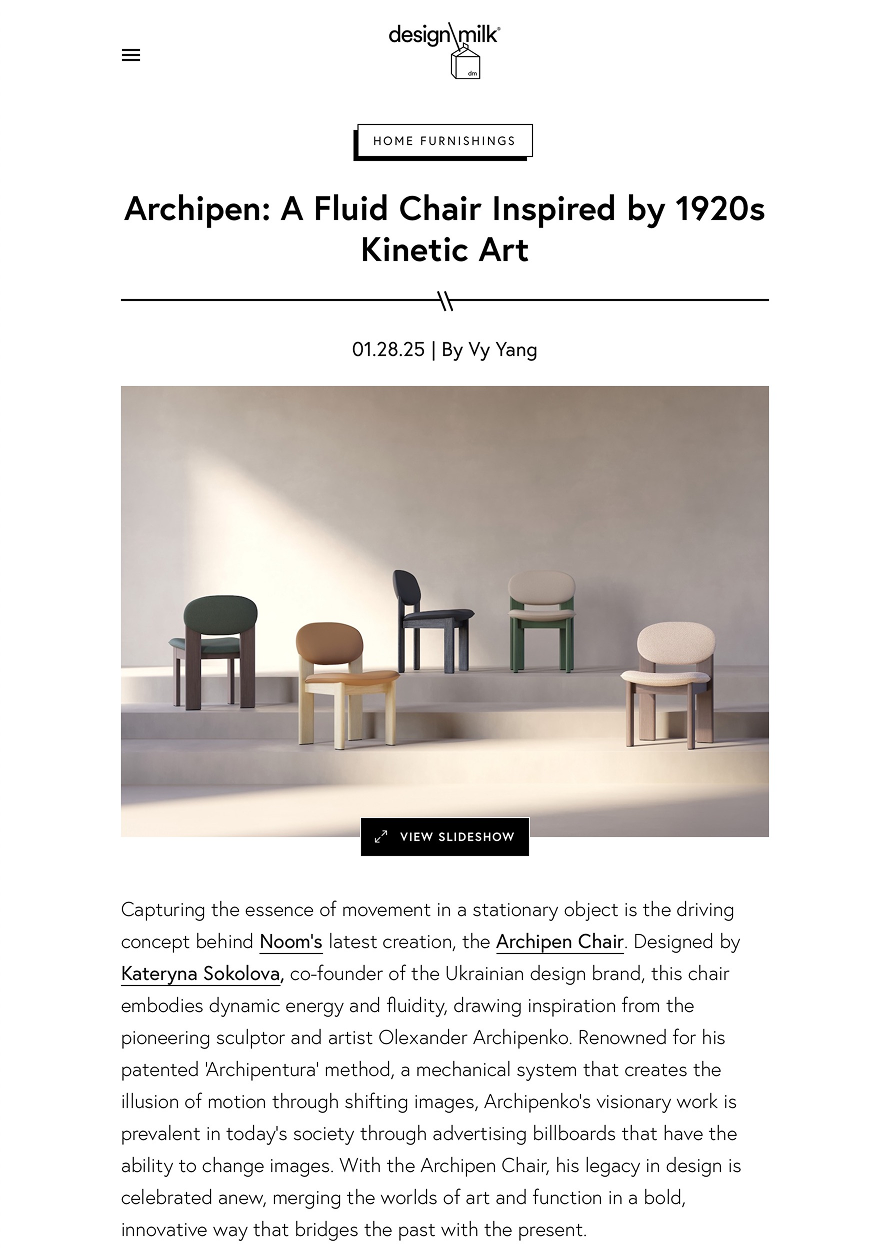
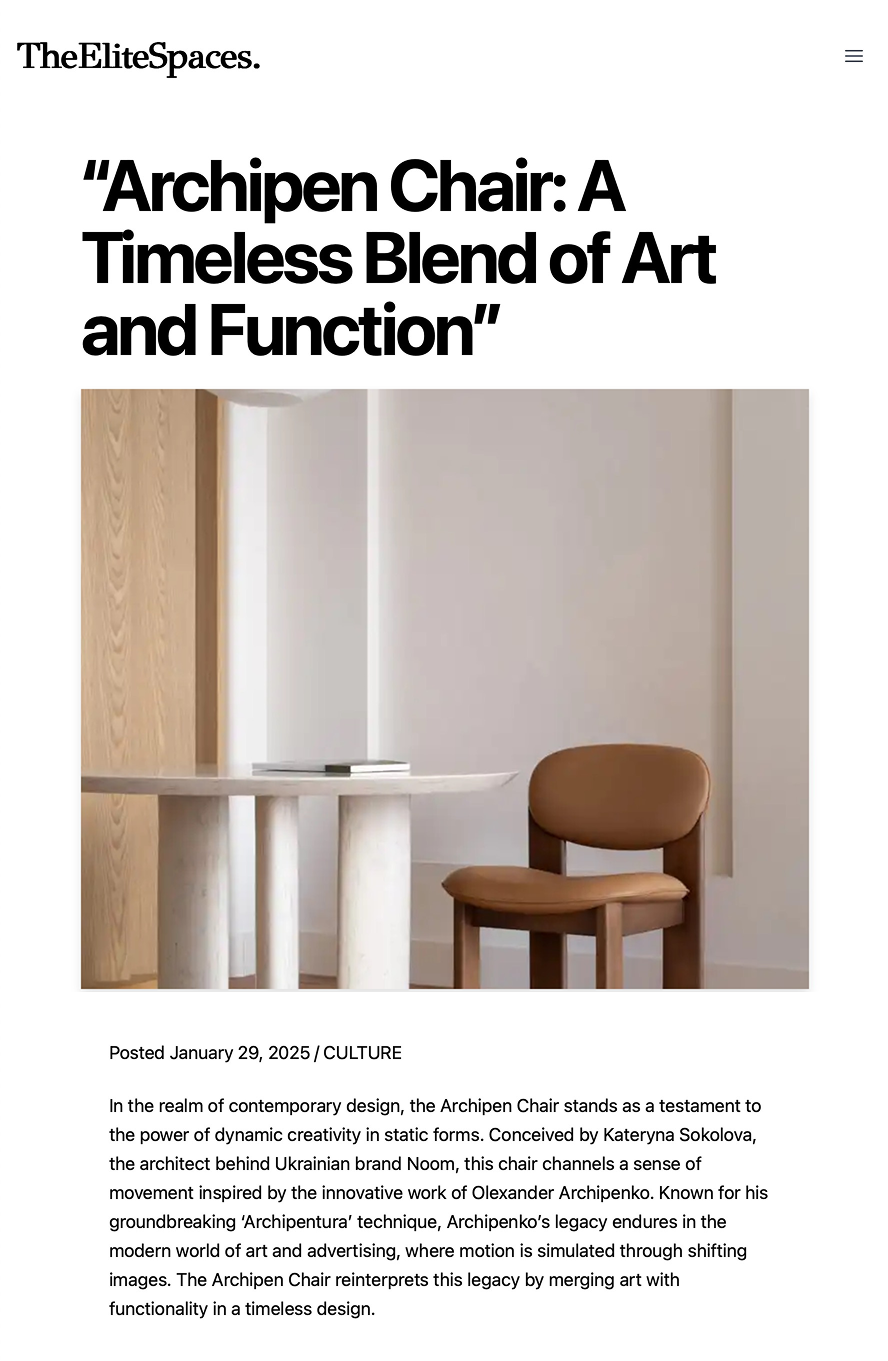
Make a list of 5 publications that genuinely fit your style — and your goals. These could be Dezeen, Designboom, ArchDaily, Wallpaper or AD, depending on your aesthetic and what you’re after: professional recognition, new clients, or international PR.
-
Open the Interiors or Projects section and find stories similar in mood or visual language to your project.
-
Check who wrote the article. That’s your person.
4. Where do you find contact details?
-
The most reliable source is the publication’s official website. Editorial contacts are usually listed in the footer or in the “Contact”, “About” or “Submissions” section. There you’ll find the emails of specific editors and get a sense of who is responsible for what — for example, the Features Editor, Interiors Editor or Digital Content Editor.
-
Many journalists keep active profiles — their bio often includes an email or the phrase “For press inquiries.” LinkedIn makes it easy to check their current position, published work, and areas of focus.
-
There are platforms such as PressRush, MuckRack, Cision, RocketReach, Prowly, Anewstip or Hunter.io. They let you find an editor’s email and see their latest stories, the outlets they work for, and the topics they cover.
But — don’t overdo it 😊 There’s no need to send the same release to every journalist you find. Mass emails like these quickly end up in spam and damage your reputation. Instead, find 2–3 relevant writers who actually cover interiors or architecture, and prepare a personalized pitch.
💡 By the way: there are also paid press release distribution services that can help distribute news at scale. Well-known platforms include PR Newswire, BusinessWire, GlobeNewswire, PRWeb, Newswire, EinPresswire.
They have large journalist databases and let you send out a release by topic (for example, interior design, architecture, luxury lifestyle). These services are useful if you’re launching a major international project or collaboration and want coverage in several countries at once.
But keep in mind:
most of these distribution services are automated, so your release won’t always be read by a real journalist;
the cost can be high (from a few hundred to a thousand dollars per campaign);
they are often less effective than a personalized email to a specific journalist.
So paid distribution is a supporting tool, not a substitute for your own well-established PR contacts.
What works best is a combination:
1. targeted personal pitches +
2. broad paid distribution to boost reach.
-
Check the “Editorial Submissions” or “Pitch Us” sections — they often list addresses specifically for project submissions.
And in the “Editorial Calendar” you can find upcoming issue themes and deadlines, so you can submit your material on time. For example, “The Green Issue — materials due by May 10.” If your project is eco-friendly, this is your chance!
This way, you’ll not only find the right journalist but also present yourself as a professional who respects the editorial team’s time.
How do you write the right email?
-
The subject line should be short and clear, and make it immediately obvious what the email is about. Be sure to mention if you’re offering the right of first publication (exclusive). For example:
“Right of First Publication — Contemporary House in Kyiv (Press Images + Info)”
“Exclusive for [media name]: Sculptural Interior Project by [studio name]”
This way, the editor immediately sees that the material is original and hasn’t been published anywhere yet — which always increases the chances that your email will be opened and read.
-
Start with their name — no “Dear Sir/Madam” or “To whom it may concern” (nobody likes that, not even bots). Mention that you saw their latest article and add a couple of sincere words about why you liked that particular piece.
-
In a few sentences, explain what the project is, what makes it interesting, and why now. Skip the poetry like “this space breathes light and freedom” — save that for an interview after publication or for your Instagram. Here it’s better to be brief, clear, and useful: where, what, who, and why this particular interior deserves to be shown to the world.
-
Be sure to embed 3–5 images directly in the body of the email — so the journalist can immediately see what it’s about instead of having to download a mysterious archive called “final_final_OK_v2.zip”. Trust me, they won’t — they get dozens of these “final” archives every day.
Also, don’t attach heavy files — 100 MB of attachments is guaranteed to send your email into the black hole of a mail server. Instead, share a Dropbox or Google Drive link with 300 DPI photos, captions, floor plans, and a short description.
And be sure to give your files clear names, not IMG_666 or photo1_final.jpg.
The format should be clear and professional, for example: 👉 ProjectName_StudioName_01.jpg or KyivLoft_NoomStudio_02.jpg.This makes it easier for the journalist to navigate your materials, and your project immediately looks more organized and “ready for publication.”
And once again: no weird file-sharing services — journalists simply won’t click. (Yes, even if you add a heart ❤️ to your email.) -
State that it’s an “exclusive” — the project hasn’t been published anywhere. This gives your email a better chance of getting attention.
When and how should you follow up?
If you haven’t heard back within 5 business days, don’t panic — just send a short reminder:
“Just wanted to kindly follow up in case my previous email got buried. Would love to hear your thoughts.”
If the silence continues, move on. You still have four magazines in reserve 😉.
Mass outreach without the chaos
Once you’ve tried all the top publications, you can send your materials out more widely. But don’t make the classic mistake: don’t paste 20 addresses into “CC” and don’t send the same template to everyone. Instead, send a series of short personal emails — following the same rules: a personal greeting, a couple of photos, a short text, and a link.
Format, size, rights
Photos — no watermarks, natural light, good geometry.
Resolution: 300 DPI for print, 1500–2000 px for previews in the email.
Captions, photo credits, and project names — mandatory.
A separate note on floor plans and drawings: editors absolutely love them! If you have good, clean plans or drawings (in PNG, PDF or SVG format), be sure to send them. It’s a real bonus and often the deciding factor in why your project gets published rather than the one next door that has everything except a plan.
Plus, it looks professional and shows right away that you’re a designer who thinks not only aesthetically but also architecturally.
-
Sending your project to a magazine that covers contemporary art, not interiors.
Attaching a 400 MB archive.
Writing without photos (“the full gallery is on our website” — no, thanks).
Forgetting to credit the photographer.
-
☑ Chose 5 relevant magazines
☑ Found writers who cover similar stories
☑ Prepared personal emails
☑ Added photos directly in the email
☑ Added a link to hi-res images
☑ Offered an exclusive
☑ Prepared a follow-up
Remember: journalists are people too. They love short, honest, visually pleasing emails. And good stories — ones where the interior isn’t just beautiful, but meaningful.
Next time, we’ll look at how to write the perfect press release — one that doesn’t just get opened, but goes straight into the next issue.